
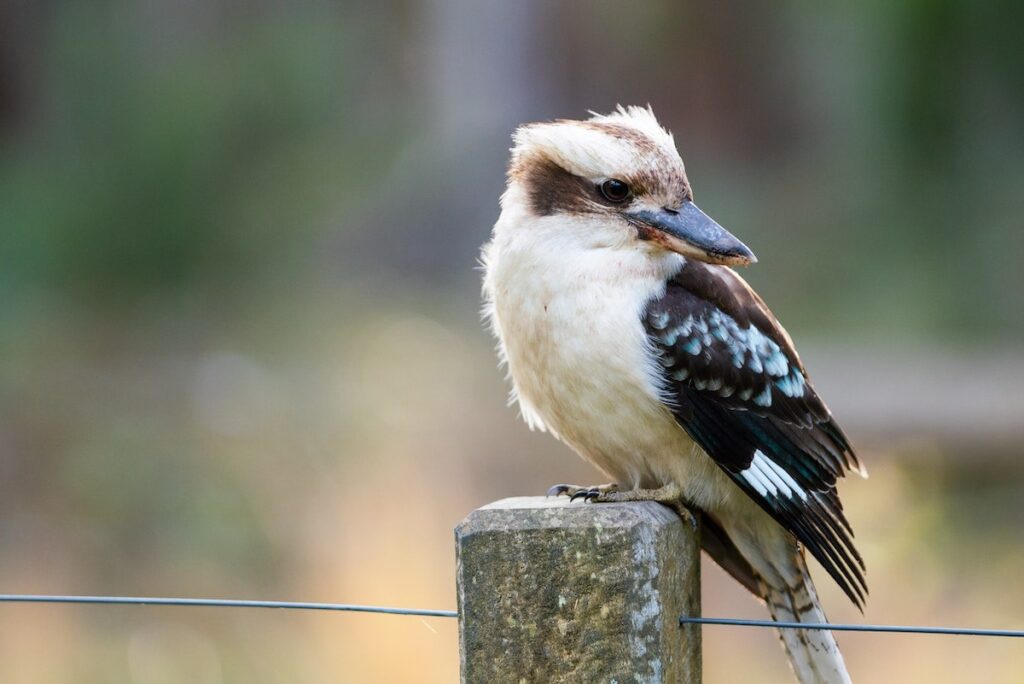
The kookaburra is one of Australia’s most iconic and beloved birds. Known for its distinctive laughing call and striking appearance, this unique bird has captured the hearts and curiosity of people around the world. In this article, we’ll explore 12 fun and fascinating facts about the kookaburra.
The kookaburra belongs to the family Dacelonidae and is scientifically known as Dacelo. There are four main species of kookaburras: the laughing kookaburra (Dacelo novaeguineae), the blue-winged kookaburra (Dacelo leachii), the spangled kookaburra (Dacelo tyro), and the rufous-bellied kookaburra (Dacelo gaudichaud).
Kookaburras are native to Australia and are often referred to as the “kingfisher” due to their resemblance to other species of kingfishers. However, they belong to a distinct subfamily known as the Dacelonidae, separate from the true kingfishers.
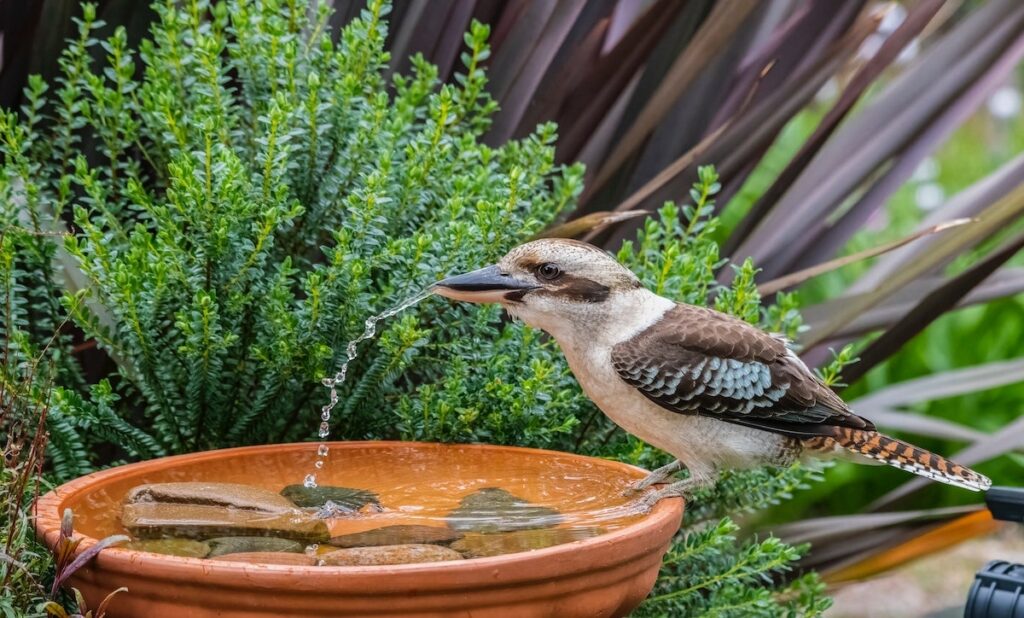
The most famous characteristic of the kookaburra is its unmistakable laughing call. This distinctive sound, which resembles hearty human laughter, is used to establish territory and communicate with other kookaburras. The call is often heard in the early morning and just before sunset.
Kookaburras are the largest of all kingfisher species, with some individuals reaching up to 18 inches (45 centimeters) in length. Despite their size, they primarily feed on terrestrial prey such as insects, worms, small mammals, and even snakes.
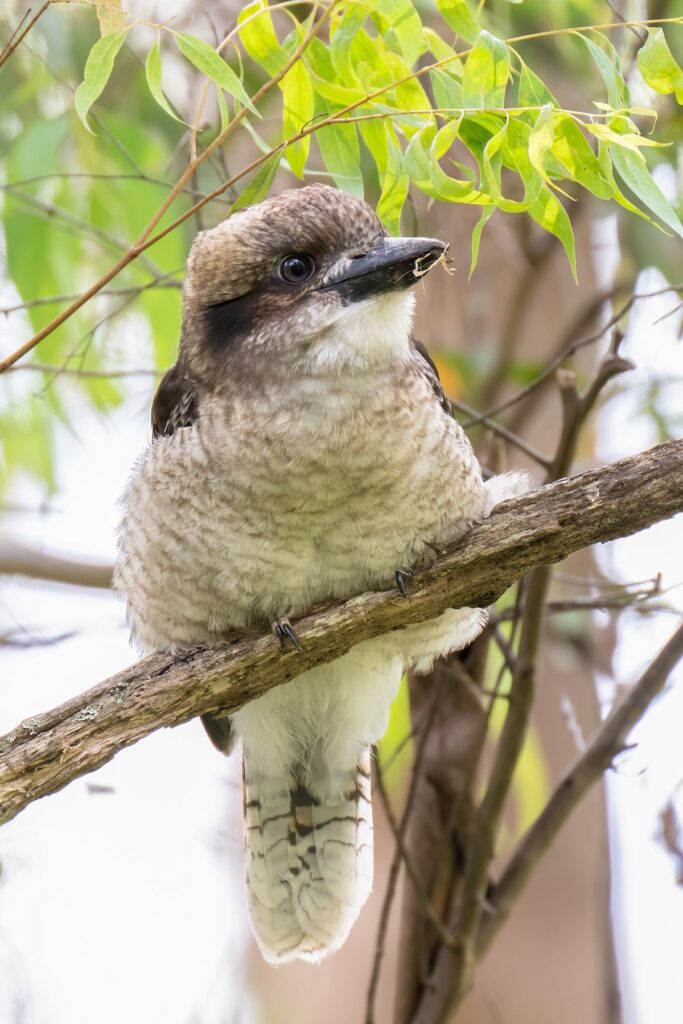
Kookaburras are highly territorial and will vigorously defend their territory from intruders, including other kookaburras. They often engage in vocal duels with neighboring birds to establish their dominance.
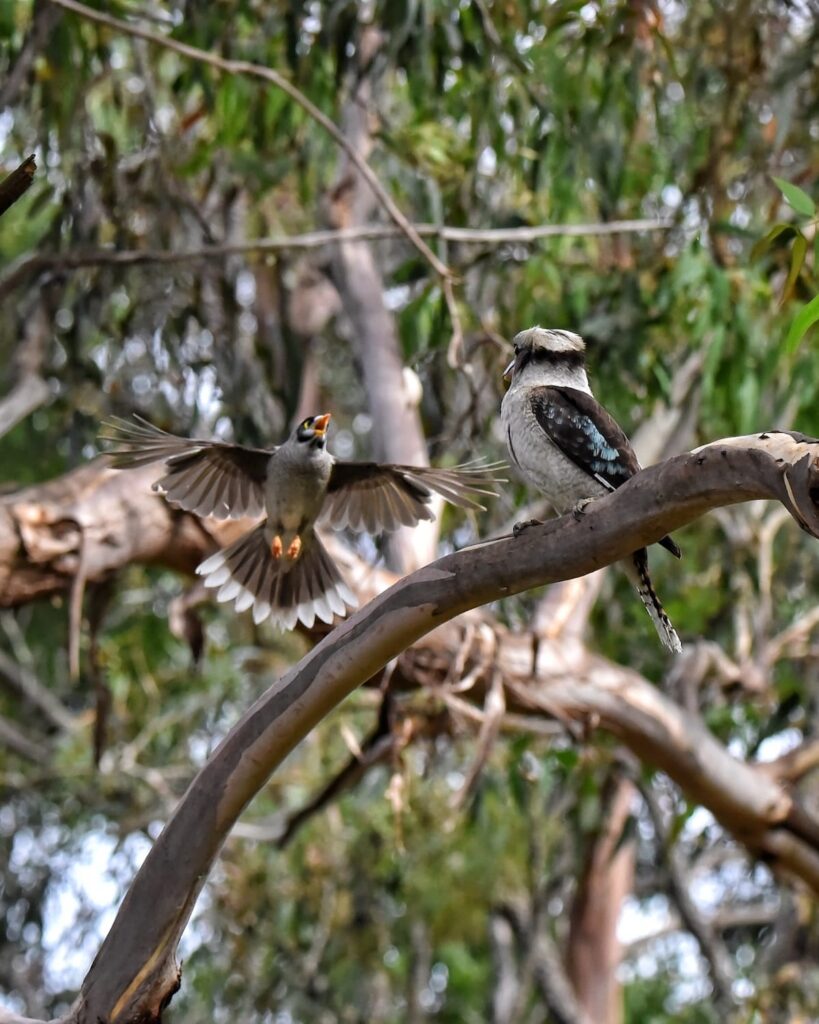
Kookaburras are known for their cooperative hunting behavior. They hunt in family groups, with older siblings from previous years helping to raise and care for the young. This cooperative hunting allows them to capture larger prey items.
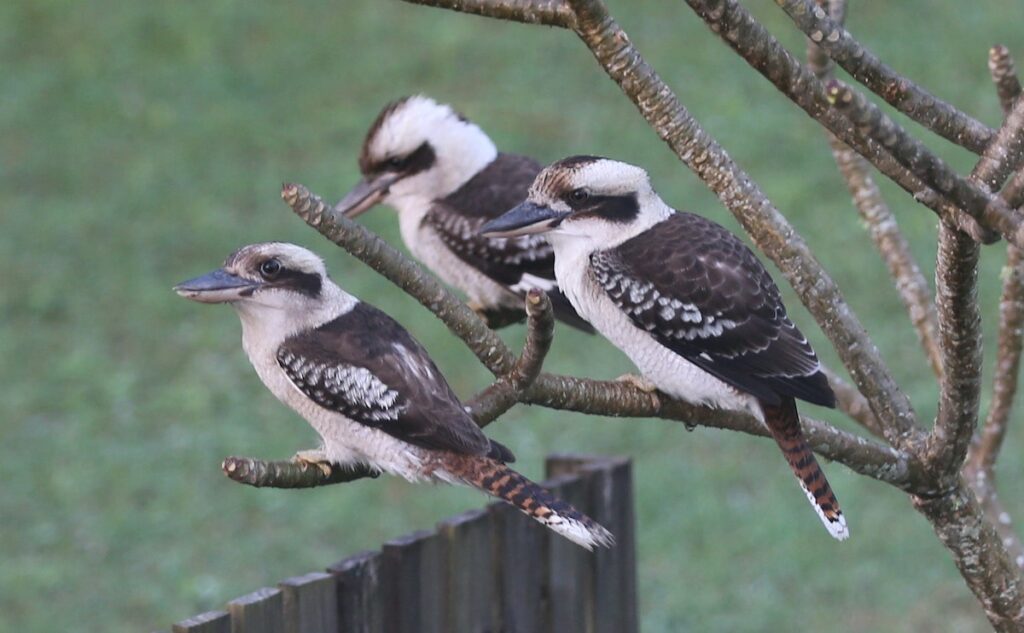
Kookaburras are monogamous and typically form long-term breeding pairs. They work together to raise their offspring, with both parents sharing the responsibilities of incubating the eggs and feeding the chicks.
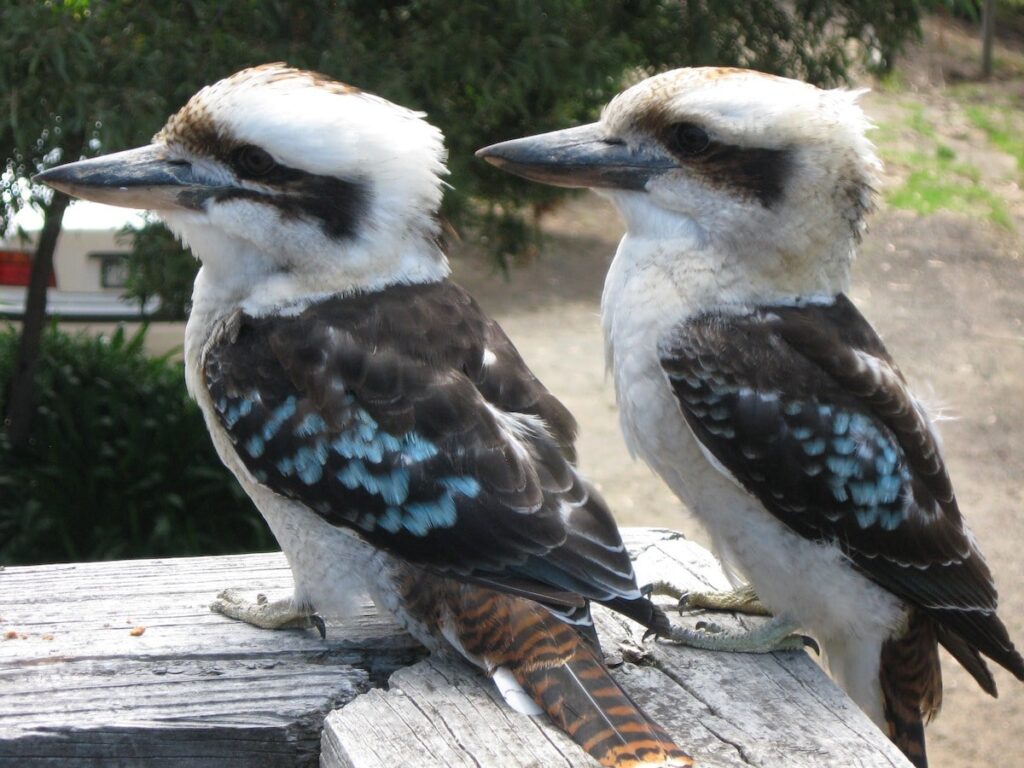
In the wild, kookaburras have an average lifespan of 10 to 15 years. However, they can live longer in captivity, with some individuals reaching up to 20 years of age.
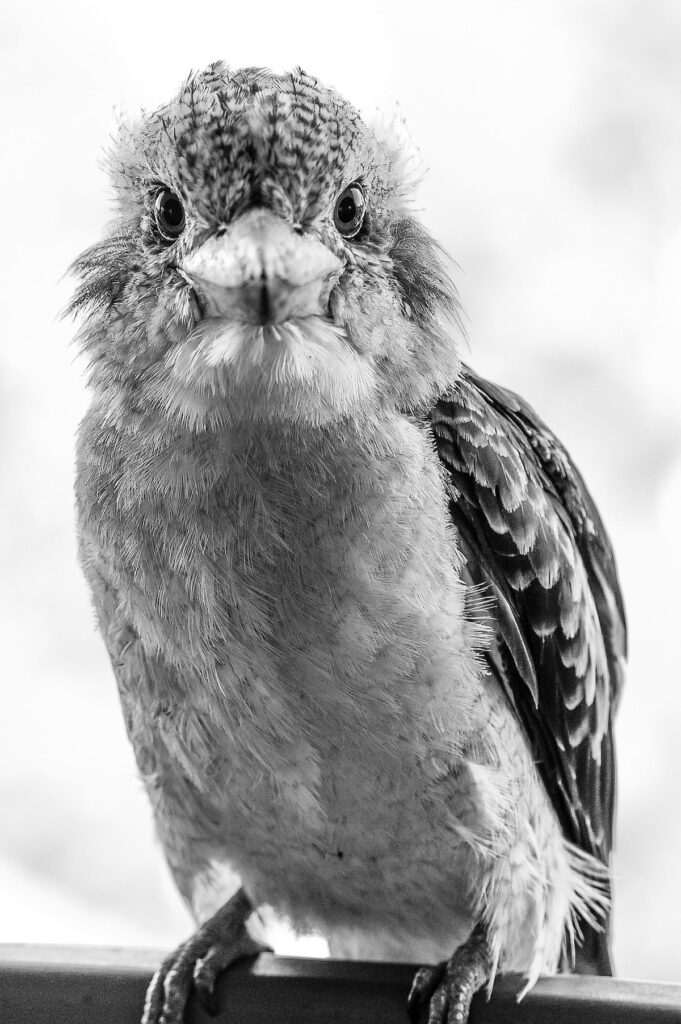
Kookaburras have excellent vision, which is essential for their hunting success. Their keen eyesight helps them spot prey from a distance, even in dim lighting conditions. They use their sharp beaks to catch and kill their prey swiftly.

Kookaburras are not limited to the Australian mainland. They can also be found in New Guinea and some nearby islands. Their range covers a wide variety of habitats, including forests, woodlands, and urban areas.
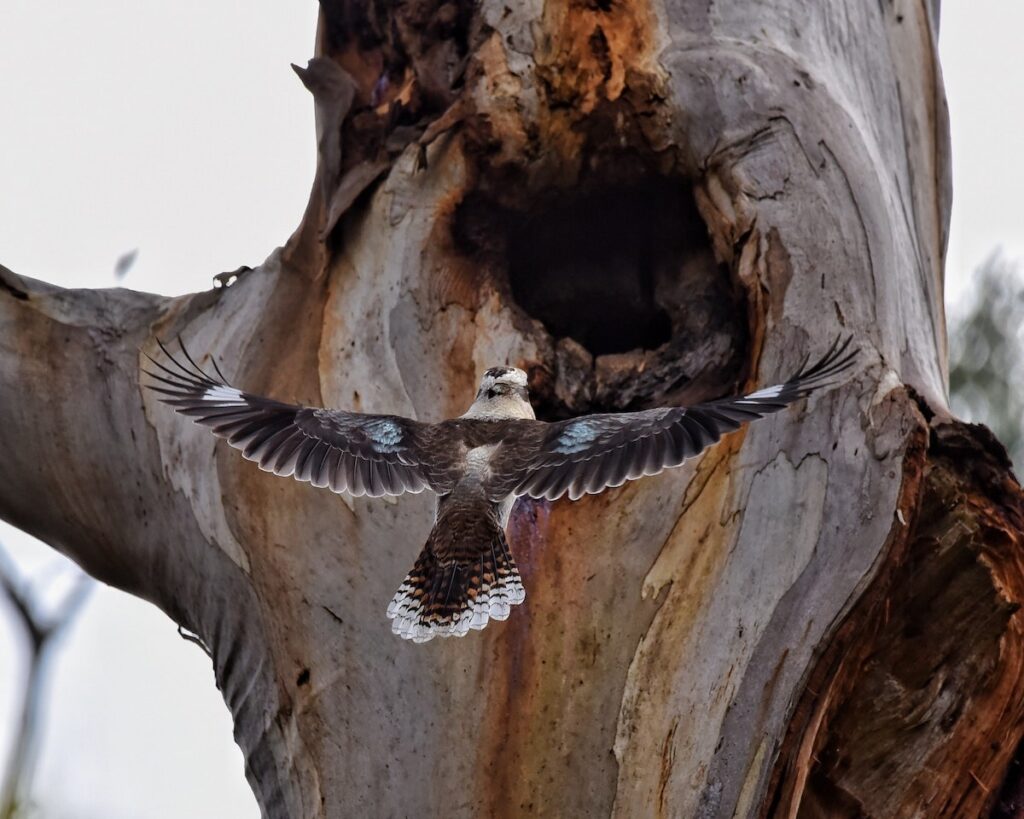
Kookaburras hold a special place in Australian culture and folklore. They are often featured in indigenous stories and art, and their distinctive call is frequently used in movies, television shows, and advertisements to evoke an Australian atmosphere.

As of my last knowledge update in September 2021, kookaburras were not considered threatened or endangered. However, like many native Australian species, they face habitat loss due to urbanization and other human activities. Conservation efforts are essential to protect their populations and their unique role in Australia’s ecosystems.

In conclusion, the kookaburra is a fascinating and charismatic bird with a range of unique traits and behaviors. Its unmistakable laugh, cooperative hunting habits, and cultural significance make it a true symbol of the Australian wilderness. While they may not be endangered, it is important to continue efforts to conserve their habitat and ensure their continued presence in the wild for future generations to enjoy.